

حول الجامعة
جامعة رياض العلم هي أول منشأة تعليمية صحية خاصة في المملكة العربية السعودية .بدأت الجامعة في عام 2004م

الرؤية
أن تصبح مؤسسة تعليمية متقدمة محلياً وإقليمياً ودولياً.

الرسالة
التعليم والتدريب الفعال مع المساهمة النشطة في البحث العلمي وخدمة المجتمع.

الاهداف
- إعداد كوادر مؤهلة لتلبية احتياجات سوق العمل.
- تمكين الشراكة والمسؤولية المجتمعية.
- توفير بيئة جامعية متكاملة وتفاعلية وداعمة.
- توفير بيئة داعمة للبحث العلمي والإبتكار.
- تقديم برامج دراسات عليا تنافسية
- تشجيع التعلم مدى الحياة من خلال برامج خدمة المجتمع والتعليم المستمر.

الكليات والبرامج الدراسية
التدريس المخصص والتدريب الممتاز والبحث المتميز وتوفير الرعاية الجيدة للمجتمع
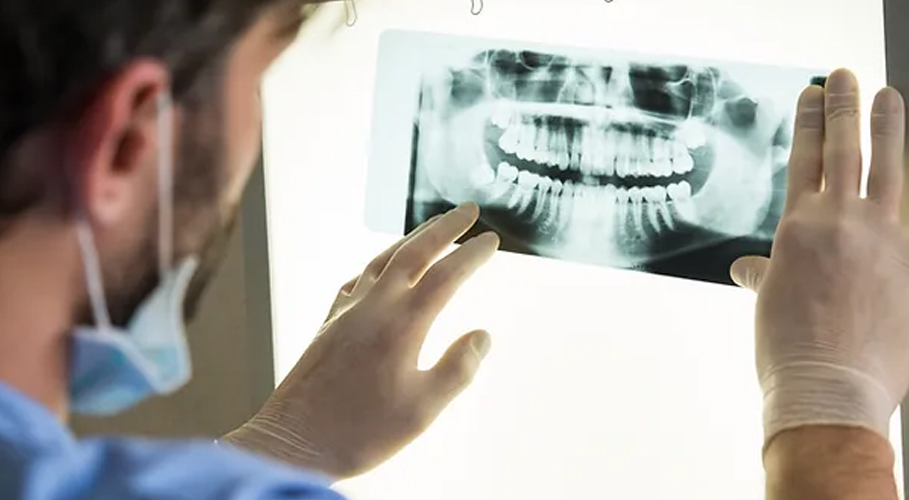
كلية الطب وطب الأسنان
تأسست كلية الطب وطب الأسنان بجامعة رياض العلم (كليات الرياض لطب الأسنان والصيدلة سابقاً) عام 2004م، كأول كلية صحية أهلية في المملكة العربية السعودية.

د. أسامه بن محمد المقيرن
عميد كلية الطب وطب الأسنان
كلية الصيدلة والتمريض والعلوم الطبية
توفر كلية الصيدلة في جامعة رياض العلم التعليم الصيدلي والمهني وتدعم البحث العلمي السريري والأساسي في هذا المجال.

د. تهاني بنت محمد الرهبيني
عميدة كلية الصيدلة والتمريض والعلوم الطبية
كلية التقنية والأعمال
توفر CTB تعليمًا عالي الجودة لإعداد الطلاب للمهن المهنية والتعلم مدى الحياة...

د. سلطان بن علي الأسمري
عميد كلية التقنية والأعمال
الدراسات العليا
أخذت الجامعة في رسالتها ورؤيتها وأهدافها التعليم بعد التخرج كمساهمة رئيسية في التعليم العالي.
جامعة رياض العلم
جامعة رياض العلمكلمة الرئيس التنفيذي
“يسرني أن أرحب بكم في الموقع الالكتروني لجامعة رياض العلم، والذي نتمنى من خلاله أن يلبي لزائريه الاطلاع على محتويات موقع الجامعة بشكل عام، وما يقدمه من خدمات ومعلومات عن الكليات والعمادات المساندة والمراكز والأنشطة والفعاليات التي تقدمها الجامعة وكافة القطاعات التابعة لها. وأن يكون مرآةً تعكس ما تحظى به الجامعة من جهود وإمكانيات والتي نطمح بالوصول اليها للمساهمة في مسيرة التنمية التي تعيشها المملكة العربية السعودية لتحقيق رؤية المملكة 2030. ونحن في جامعة رياض العلم قد حرصنا على أهمية مشاركتكم في كل ما تقدمه من خدمات والتي ستسهم بعون الله في تطوير الجامعة وتحقيق المزيد من الإنجازات التي لن تتحقق إلا بتظافر الجهود كي نستمر في تطوير وتحسين جودة هذه الخدمات. وسنعمل بمشيئة الله على تحقيق تطلعات القيادة الرشيدة باستمرار تطوير منظومة التعليم الجامعي وبذل المزيد من الجهود لرفع كفاءة منظومة التعليم في الجامعة. سائلاً المولى القدير التوفيق والسداد،”
د. فهد بن عبدالله الشمري
الرئيس التنفيذي

كلمة رئيس مجلس الأمناء
“بسم الله الرحمن الرحيم. الحمد لله رب العالمين. وصلى الله وسلم على نبينا محمد وعلى آله وصحبه أجمعين. يسعدني أن تتاح لي هذه الفرصة للترحيب بالجميع في جامعة رياض العلم (REU) من خلال هذه المنصة ، والتي تعد بوابة لاستكشاف الجامعة والاطلاع عليها والتعرف عليها ومدى تطورها وتوسعها وإنجازاتها. يتمثل أحد الأهداف الرئيسية للجامعة في توفير فرص القبول لخريجي المدارس الثانوية المتميزين وأولئك الذين يرغبون في متابعة تعليمهم في مؤسسة رعاية صحية ما بعد الثانوية التي تدعم بيئة تعليمية عالية الجودة. في إطار سعي الجامعة للحصول على مخرجات تعليمية عالية الجودة ، حرصت الجامعة على الاهتمام بجودة العمل لتنفيذ وتحقيق معايير الاعتماد والتقييم الأكاديمي في العملية التعليمية. كذلك ضبط جودة العمل في الجوانب العلاجية والفنية والإدارية من خلال إنشاء مركز ضمان الجودة والاعتماد بالجامعة. وقد توجت تلك الجهود بالحصول على الاعتماد المؤسسي والبرامجي الكامل لمدة (7) سبع سنوات من الهيئة الوطنية للتقويم والاعتماد الأكاديمي للفترة من مايو 2010 م حتى أبريل 2017 م ، وهي من أوائل الجامعات الخاصة في المملكة التي حصلت على هذا الاعتماد على المستوى الحكومي والخاص. إن التطور الذي شهدته جامعة رياض العلم وإنجازاته وتطلعاته قد أنعم علينا الله تعالى. وذلك بفضل دعم خادم الحرمين الشريفين وسمو ولي العهد حفظهما الله برعاية وتوجيهات وتشجيع معالي وزير التربية والتعليم وكافة المسؤولين في الوزارة. سنواصل بذل أقصى الجهود للمساهمة في المجتمع من خلال خلق قيمة فكرية جديدة وتنمية الموارد البشرية المتميزة. والسلام عليكم ورحمة الله وبركاته.”
أ.د. عبدالله بن ركيب الشمري
رئيس مجلس الأمناء

كلمة رئيس الجامعة
يسعدني أن نرحب بكم في الموقع الالكتروني لجامعة رياض العلم ، والذي من خلاله يمكن معرفة الفرص التعليمية والتدريبية المتاحة في مختلف برامج وكليات الجامعة.
جامعة رياض العلم (REU)، المعروفة سابقًا باسم كليات الرياض لطب الأسنان والصيدلة (RCsDP)، هي مؤسسة تعليمية ما بعد الثانوية مدعومة من القطاع الخاص ومقرها الرياض المملكة العربية السعودية، تم اعتماد الكلية رسميًا في فبراير 2004 من قبل وزارة التعليم العالي.
وفي شهر يناير 2018م حصلت الجامعة على موافقة مجلس الوزراء لتتحول إلى جامعة باسم جامعة رياض العلم تحتوى ثلاث كليات: كلية الطب وطب الاسنان و كلية الصيدلة والتمريض والعلوم الطبية وكلية التقنية والاعمال.
د. محمد بن عبد الله الرافعي
رئيس الجامعة

كلمة الرئيس التنفيذي
“يسرني أن أرحب بكم في الموقع الالكتروني لجامعة رياض العلم، والذي نتمنى من خلاله أن يلبي لزائريه الاطلاع على محتويات موقع الجامعة بشكل عام، وما يقدمه من خدمات ومعلومات عن الكليات والعمادات المساندة والمراكز والأنشطة والفعاليات التي تقدمها الجامعة وكافة القطاعات التابعة لها. وأن يكون مرآةً تعكس ما تحظى به الجامعة من جهود وإمكانيات والتي نطمح بالوصول اليها للمساهمة في مسيرة التنمية التي تعيشها المملكة العربية السعودية لتحقيق رؤية المملكة 2030. ونحن في جامعة رياض العلم قد حرصنا على أهمية مشاركتكم في كل ما تقدمه من خدمات والتي ستسهم بعون الله في تطوير الجامعة وتحقيق المزيد من الإنجازات التي لن تتحقق إلا بتظافر الجهود كي نستمر في تطوير وتحسين جودة هذه الخدمات. وسنعمل بمشيئة الله على تحقيق تطلعات القيادة الرشيدة باستمرار تطوير منظومة التعليم الجامعي وبذل المزيد من الجهود لرفع كفاءة منظومة التعليم في الجامعة. سائلاً المولى القدير التوفيق والسداد،”
د. فهد بن عبدالله الشمري
الرئيس التنفيذي
كلمة رئيس مجلس الأمناء
“بسم الله الرحمن الرحيم. الحمد لله رب العالمين. وصلى الله وسلم على نبينا محمد وعلى آله وصحبه أجمعين. يسعدني أن تتاح لي هذه الفرصة للترحيب بالجميع في جامعة رياض العلم (REU) من خلال هذه المنصة ، والتي تعد بوابة لاستكشاف الجامعة والاطلاع عليها والتعرف عليها ومدى تطورها وتوسعها وإنجازاتها. يتمثل أحد الأهداف الرئيسية للجامعة في توفير فرص القبول لخريجي المدارس الثانوية المتميزين وأولئك الذين يرغبون في متابعة تعليمهم في مؤسسة رعاية صحية ما بعد الثانوية التي تدعم بيئة تعليمية عالية الجودة. في إطار سعي الجامعة للحصول على مخرجات تعليمية عالية الجودة ، حرصت الجامعة على الاهتمام بجودة العمل لتنفيذ وتحقيق معايير الاعتماد والتقييم الأكاديمي في العملية التعليمية. كذلك ضبط جودة العمل في الجوانب العلاجية والفنية والإدارية من خلال إنشاء مركز ضمان الجودة والاعتماد بالجامعة. وقد توجت تلك الجهود بالحصول على الاعتماد المؤسسي والبرامجي الكامل لمدة (7) سبع سنوات من الهيئة الوطنية للتقويم والاعتماد الأكاديمي للفترة من مايو 2010 م حتى أبريل 2017 م ، وهي من أوائل الجامعات الخاصة في المملكة التي حصلت على هذا الاعتماد على المستوى الحكومي والخاص. إن التطور الذي شهدته جامعة رياض العلم وإنجازاته وتطلعاته قد أنعم علينا الله تعالى. وذلك بفضل دعم خادم الحرمين الشريفين وسمو ولي العهد حفظهما الله برعاية وتوجيهات وتشجيع معالي وزير التربية والتعليم وكافة المسؤولين في الوزارة. سنواصل بذل أقصى الجهود للمساهمة في المجتمع من خلال خلق قيمة فكرية جديدة وتنمية الموارد البشرية المتميزة. والسلام عليكم ورحمة الله وبركاته.”
أ.د. عبدالله بن ركيب الشمري
رئيس مجلس الأمناء
القبول والتسجيل
تعد عمادة القبول والتسجيل أحد الركائز الأساسية في جامعة رياض العلم REU التي تقدم خدمات فعالة وكفؤة لجميع الطلاب عبر بوابة إلكترونية متطورة (eGate).

أخر الاخبار(عرض الكل)

حصل برنامج بكالوريوس العلوم في التمريض ومساعدة طب الأسنان على الاعتماد الدولي الكامل من هيئة الاعتماد الألمانية (AHPGS)
تعلن جامعة رياض العلم، ممثلةً بكلية الصيدلة والتمريض والعلوم الطبية، بكل فخر عن حصول برنامج...


تهانينا لعيادات رياض العلم النموذجية لطب الأسنان
لحصوله على اعتماد المركز السعودي لاعتماد المنشآت الصحية (سباهي)...

تحتفل جامعة رياض العلم بالتخرج
تحت رعاية رئيس مجلس أمناء جامعة رياض العلم الأستاذ الدكتور عبدالله بن ركيب الشمري احتفلت جامعة...
